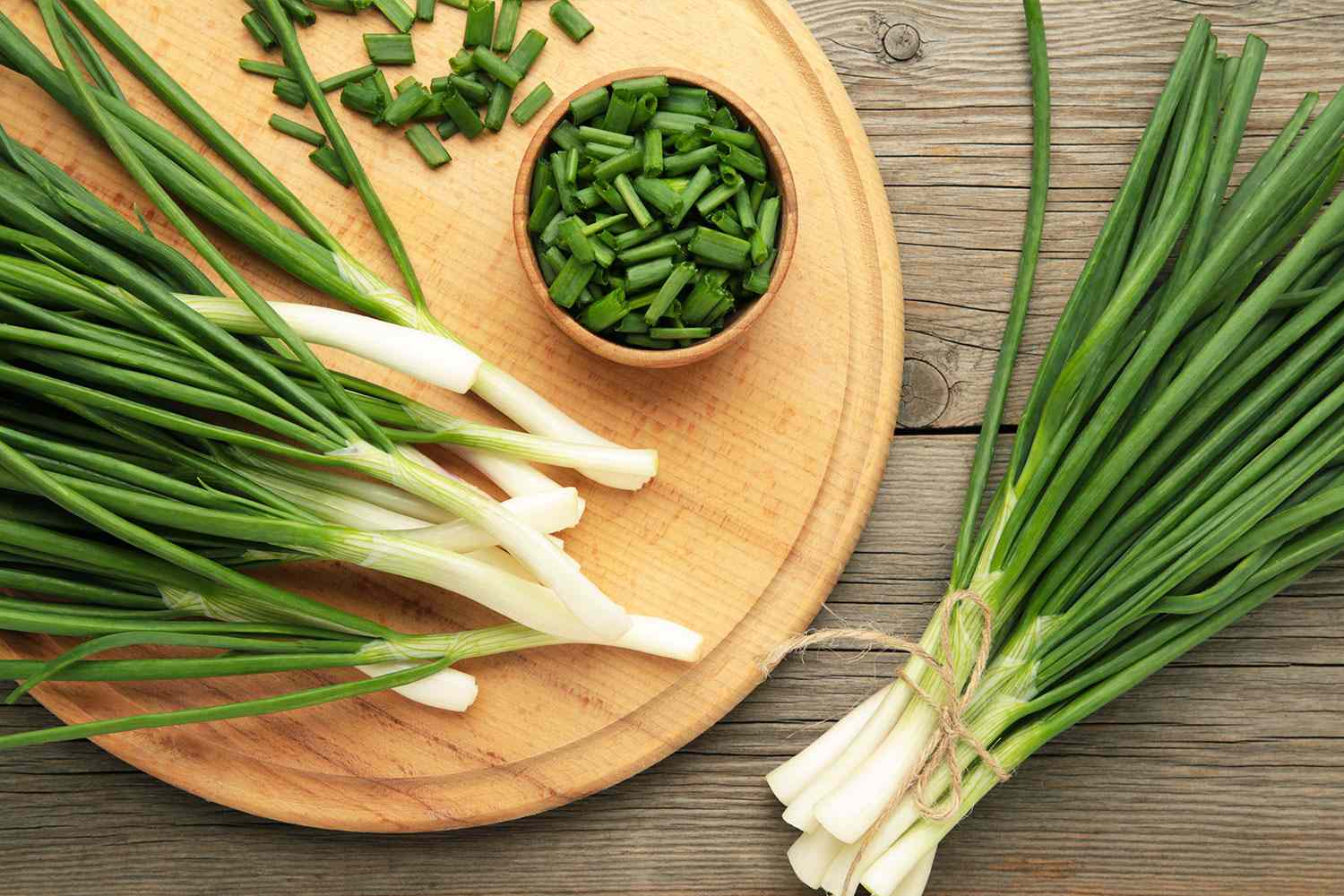
In the vibrant world of culinary ingredients, some distinctions are as clear as night and day, while others often lead to a moment of hesitation at the grocery store or in the kitchen. Among the most commonly confused are chives vs green onions. Though both hail from the versatile onion family and share a somewhat similar appearance, they possess distinct characteristics that define their identity, flavor profile, and optimal use in cooking. One is celebrated as a delicate herb, the other revered as a robust vegetable. Understanding these nuances isn't just about botanical classification; it's about unlocking a new level of flavor and precision in your dishes.
For home cooks and seasoned chefs alike, recognizing whether a recipe truly calls for the subtle grace of chives or the more assertive presence of green onions can elevate a meal from good to truly exceptional. Let's peel back the layers of these popular alliums, exploring their unique attributes, culinary applications, and how to make the most of each in your kitchen. If you've ever wondered about the precise differences between Chives vs. Green Onions: Know the Difference & Best Uses, you're in the right place.
Deconstructing the Allium Family: Herb vs. Vegetable
Both chives and green onions are proud members of the Allium genus, affectionately known as the onion family. This expansive botanical group also includes garlic, leeks, and shallots, all celebrated for their pungent, aromatic qualities. However, despite their shared ancestry, culinary experts readily distinguish between chives and green onions based on their growth, maturity, and botanical classification.
Chives: The Delicate Herb with Ancient Roots
Scientifically known as Allium schoenoprasum, chives stand out as an herb. They are characterized by their remarkably thin, hollow, grass-like leaves, which are the primary edible part sold in markets. While chives do produce small, inconspicuous bulbs and beautiful pink-purple globe-like flowers in the garden, it's their slender, vibrant green stalks that are prized for culinary use. Executive Chef Matt Alexander notes their delicate appearance and feel compared to green onions, a key visual differentiator.
Chives are not just part of the onion family; they also belong to the lily family (Liliaceae), a testament to their subtle elegance. Cultivated for their culinary value since the Middle Ages, they offer a gentle oniony flavor beautifully complemented by distinct garlic and grassy notes. This nuanced profile makes them ideal for adding a fresh, bright finish to dishes. It's also worth mentioning their cousin, garlic chives (Allium tuberosum), which feature flat leaves and a more pronounced garlic flavor, offering a heartier alternative for those seeking a stronger aromatic punch.
Green Onions: The Versatile Immature Vegetable
Green onions, often interchangeably called scallions or spring onions, are best understood as young, immature onions harvested before their bulbs fully develop. As chef Alexander explains, "Basically, if given more time in the ground, it would become an onion." This classification as a young vegetable, rather than an herb, is crucial. They lack an official botanical name of their own because they represent a transitional stage of various onion varieties.
Visually, green onions are more substantial than chives. They feature a small, typically white, edible bulb at the bottom, which gradually transitions into a long, sturdy green stem and dark green leaves. The entire plant, from the bulb to the green tops, is edible and highly versatile in the kitchen. Their robust nature means they can withstand more rigorous cooking methods than their delicate chive counterparts, offering a broader range of culinary possibilities.
The Sensory Experience: Flavor and Texture Face-Off
When it comes to enhancing a dish, the choice between chives and green onions often comes down to the desired flavor intensity and textural contribution. Though both provide an "oniony" essence, their expressions are notably different.
Flavor Profile Comparison
- Chives: Renowned for their mild, delicate onion flavor with intriguing hints of garlic and a fresh, grassy undertone. Culinary expert Emma Hearst aptly describes green onions as "magnified chives," highlighting the relative subtlety of chives. This nuanced flavor is best preserved when chives are used raw or added at the very end of cooking. Their 'oomph' diminishes significantly with heat, meaning they won't stand up to prolonged cooking.
- Green Onions: Offer a more pungent and assertive onion flavor than chives, yet they are still considerably milder than mature, fully developed onions. The white bulb section tends to be sharper and more peppery, while the green tops are milder and fresher. This dual flavor profile within a single ingredient adds to their versatility. They retain their flavor well when cooked, making them suitable for a wide array of preparations.
Textural Differences
- Chives: Their long, slender, hollow leaves are incredibly delicate and tender. When chopped, they contribute a soft, almost melt-in-your-mouth texture that blends seamlessly into dishes without adding significant chew. This makes them perfect for garnishes or finely minced additions.
- Green Onions: Possess a sturdier, more fibrous texture. The white bulb is crisp and crunchy, while the green stalks offer a satisfying bite, even when cooked. This structural integrity allows them to provide a pleasant textural contrast in stir-fries, salads, and sautés, adding body and a fresh snap.
Culinary Applications: When to Reach for Which
Understanding the flavor and texture of chives vs green onions is key to making the right choice for your culinary creations. Each has its moment to shine, and judicious selection can significantly impact the final dish.
Chives in the Kitchen: The Finishing Touch
Given their delicate flavor and texture, chives are primarily a finishing herb, best utilized raw or added just before serving. Their role is to impart a fresh, bright lift and a subtle aromatic complexity without overpowering other ingredients. As Chef Alexander advises, chives are "a great way to add depth and the brightness of a fresh herb."
- Garnishes: Finely chopped chives are an exquisite garnish for soups, scrambled eggs, omelets, baked potatoes, and cream-based sauces. Their vibrant green color also adds visual appeal.
- Dips and Spreads: They are a classic ingredient in herb-infused cream cheeses, sour cream dips, and salad dressings, providing a gentle oniony backdrop.
- Salads and Seafood: Tossed into green salads, chicken salads, or seafood dishes like gravlax or grilled fish, chives contribute a burst of freshness.
- Light Preparations: Excellent in delicate risottos, mashed potatoes, or even sprinkled over avocado toast.
While typically sliced, adventurous chefs might experiment with chive batons as an elegant touch over hors d'oeuvres, showcasing their unique form. The key takeaway: for the best flavor, incorporate chives towards the end of cooking or serve them raw to preserve their subtle essence.
Green Onions in the Kitchen: The Versatile Workhorse
Green onions, with their robust flavor and texture, are far more versatile, capable of being cooked, sautéed, grilled, or enjoyed raw. They can play a starring role or serve as a foundational aromatic. To dive deeper into optimal usage, consider Chives vs. Green Onions: When to Use Each for Perfect Flavor.
- Aromatics: The white and light green parts can be sautéed as an aromatic base for stir-fries, sautés, soups, and stews, lending a gentle oniony sweetness.
- Stir-fries and Asian Cuisine: Essential in many Asian dishes, where they are often added during the cooking process to infuse flavor and texture.
- Salads and Dressings: Both the white and green parts, thinly sliced, add a crisp bite and fresh onion flavor to salads, salsas, and vinaigrettes.
- Marinades and Rubs: Minced green onions can be incorporated into marinades for meats and poultry, contributing both flavor and moisture.
- Grilled or Roasted: Whole green onions can be grilled or roasted lightly to soften their texture and bring out a sweeter, more nuanced flavor.
- Toppings: Raw, thinly sliced green tops are a ubiquitous topping for tacos, nachos, chili, and various noodle dishes, providing a fresh crunch and a pop of color.
The beauty of green onions lies in their duality; the pungent white bulb and the milder green tops can be used separately or together, offering different flavor intensities within a single ingredient.
Beyond the Plate: Storage, Nutrition, and Sourcing
Practical considerations like storage and nutritional content also play a role in distinguishing these two common kitchen staples.
Storage Tips for Freshness
- Chives: Being delicate, chives have a relatively short shelf life. Properly stored, they typically last about 2-3 days in the refrigerator. To maximize freshness, wrap them loosely in a damp paper towel and place them in a plastic bag or airtight container.
- Green Onions: Are more robust and can remain fresh for up to a week (or even longer) in the refrigerator. A good method is to stand them upright in a glass with about an inch of water, covering the tops loosely with a plastic bag. Alternatively, wrap them in a damp paper towel and store them in a plastic bag.
Nutritional Nuggets
While both contribute to a healthy diet, their nutritional differences are not vastly significant in typical serving sizes. The reference context points out that chives are marginally higher in calcium, folate, and vitamin A. However, given their common usage as a garnish or flavor enhancer rather than a bulk vegetable, these differences are unlikely to impact overall nutritional intake significantly. Both offer vitamins, minerals, and antioxidants inherent to the allium family.
Sourcing and Selection
When selecting either chives or green onions at the market, look for vibrant green leaves, free from wilting, yellowing, or browning. Both should feel firm and crisp, not limp. For green onions, ensure the white bulbs are intact and free of blemishes. Freshness is key to optimal flavor and texture for both.
Conclusion
The culinary journey of understanding chives vs green onions reveals that while they share a family tree, their individual identities as a delicate herb and a versatile vegetable are profoundly different. Chives, with their subtle onion, garlic, and grassy notes, are best reserved for raw applications, offering a bright, fresh finish. Green onions, more pungent and robust, are adaptable to both raw and cooked preparations, providing a crisp texture and a bolder onion flavor. By respecting these distinctions, you empower yourself to make more informed choices in the kitchen, ensuring that every dish benefits from the unique strengths of these beloved alliums. So, next time you're reaching for an oniony accent, pause and consider: does your dish crave the quiet elegance of an herb, or the confident charm of a vegetable?
