Chives vs. Green Onions: Know the Difference & Best Uses
In the vibrant world of culinary ingredients, some items are as distinct as night and day, while others frequently lead to confusion, even among seasoned home cooks. Among these often-mistaken identities are chives and green onions. Though both are cherished members of the allium, or onion, family and share a superficial resemblance, they are fundamentally different in their botanical classification, flavor profile, and best culinary applications. Understanding these nuances is key to unlocking their full potential and elevating your dishes from good to gourmet.
Far from being interchangeable, chives are a delicate herb, while green onions (also known as scallions or spring onions) are a young vegetable. While they both contribute an appealing oniony zest, their unique characteristics dictate how and when they should be used for optimal flavor and texture. Let's delve into the defining traits of each, explore their distinct uses, and uncover why knowing the difference can transform your cooking.
Defining Chives: The Delicate Herb with Subtle Charm
Chives, scientifically known as Allium schoenoprasum, boast a distinguished lineage within the vast Allium genus, which also includes culinary powerhouses like garlic, leeks, and shallots. Interestingly, they also belong to the lily family (Liliaceae). Cultivated for their culinary value since the Middle Ages, chives are prized for their subtle yet distinct onion flavor.
Visually, chives are the epitome of delicacy. When growing in a garden, they display beautiful pink and purple globe-shaped flowers atop slender, hollow stems, with small bulbs at their base. However, what you typically find at the market are bunches of their long, vibrant green, grass-like leaves. These leaves are notably thinner and far more pliable than those of green onions, giving them a tender mouthfeel. Their flavor is mildly oniony, complemented by nuanced notes of garlic and a fresh, grassy undertone. This gentle profile makes them an ideal finishing herb, designed to brighten and add depth without overpowering other ingredients.
It's worth noting the existence of a close relative: garlic chives. While sharing the 'chive' name, garlic chives (Allium tuberosum) are distinct. They feature flatter, broader leaves and possess a more pronounced garlic flavor, alongside a heartier texture. While delicious in their own right, they are not a direct substitute for the delicate onion chives we are focusing on here.
Defining Green Onions: The Versatile Young Vegetable
Green onions, often interchangeably called scallions or, in some regions, spring onions, are not a specific plant species in the same way chives are. Instead, "green onion" is a generic term used to describe young onions harvested before their bulbs have fully matured and expanded. Essentially, if given more time in the soil, these would develop into full-sized bulb onions like yellow or red onions.
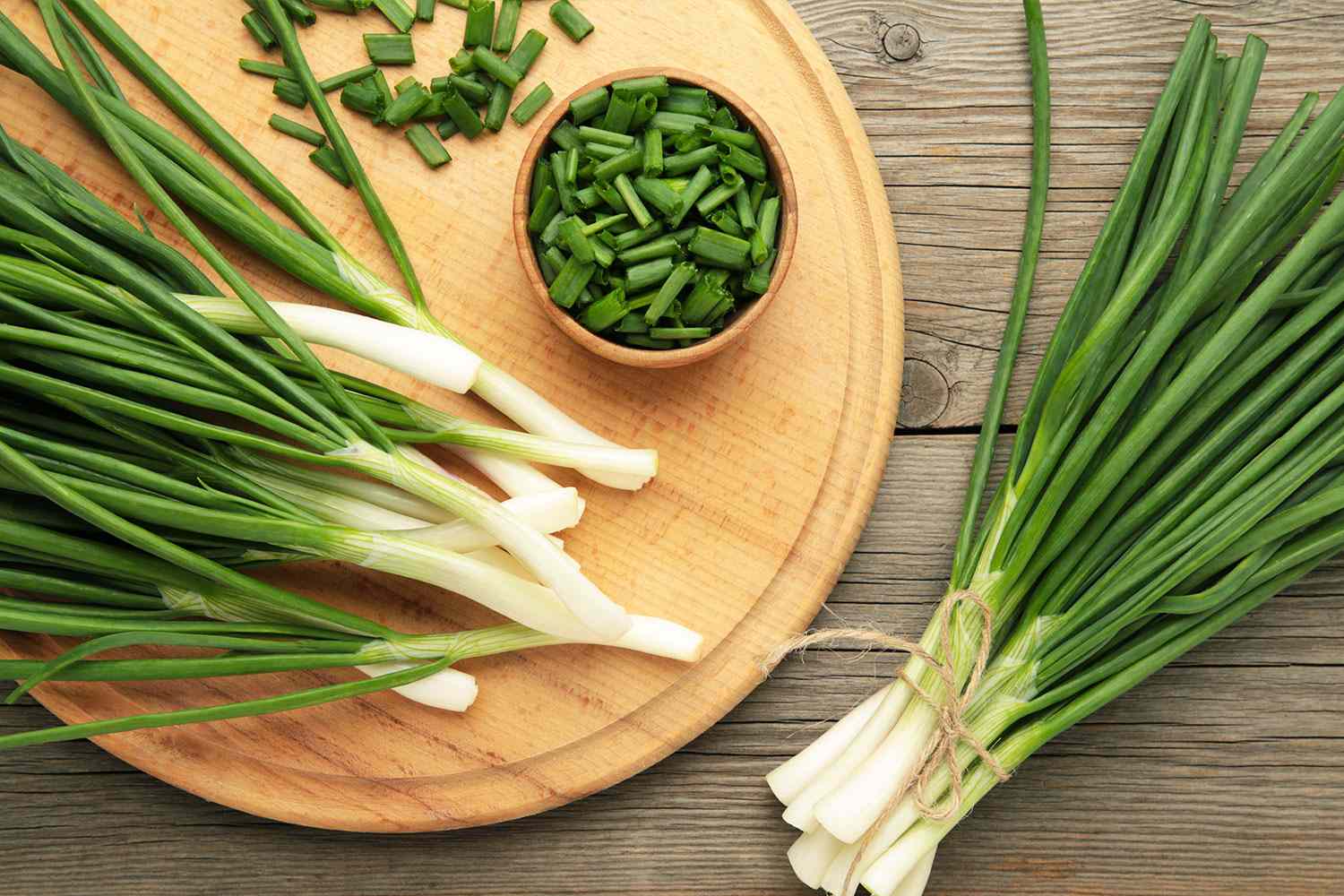
Typically harvested in spring, summer, and early fall, green onions are characterized by their small, undeveloped white bulbs at the base, which taper into long, hollow, dark green stems and leaves. Unlike chives, both the white and green parts of a green onion are commonly used in cooking, each offering a slightly different flavor and texture. The white portion, closer to the bulb, is generally more pungent and firm, while the green tops are milder and more tender. Their overall flavor is more assertive and robust than that of chives, yet still significantly milder than a mature onion. This makes them incredibly versatile, capable of standing up to cooking or lending a fresh bite when used raw.
Chives vs. Green Onions: A Side-by-Side Culinary Comparison
While their shared family tree and green appearance might cause confusion, a closer look at chives vs green onions reveals distinct differences that impact their best culinary applications:
Botanical Identity & Structure: Herb vs. Vegetable
- Chives: An herb. They are the slender, hollow leaves of a perennial plant, primarily used for their delicate flavoring. They have very small, almost undetectable bulbs.
- Green Onions: A vegetable. They are immature onions, comprising both a small, edible white bulb and sturdy green stalks. Both parts are integral to their use. This distinction as an herb vs. vegetable: unpacking chives and green onions significantly influences their texture and cooking suitability.
Appearance & Texture
- Chives: Extremely thin, delicate, and grass-like. They are typically bright green and have a soft, pliable texture.
- Green Onions: Thicker, sturdier, and more robust. They feature a defined white bulb transitioning into firm green stalks. The texture is crispier, especially in the white part.
Flavor Profile & Intensity
- Chives: Offer a subtle, refined onion flavor with hints of garlic and a fresh, herbaceous note. Their taste is delicate and easily diminished by prolonged heat.
- Green Onions: Possess a more pungent, sharper onion flavor than chives, especially in the white bulb portion. However, they are still much milder than mature onions. Their flavor holds up better to heat.
Culinary Application & Cooking Suitability
- Chives: Best used raw or added at the very end of cooking as a garnish or finishing herb. Their delicate flavor and texture are lost with extended heat.
- Green Onions: Highly versatile. Both raw and cooked applications are common. They can be incorporated early in cooking or used as a fresh garnish.
Storage & Shelf Life
- Chives: Being delicate herbs, chives have a shorter shelf life, typically lasting about 2-3 days when stored properly (e.g., wrapped in a damp paper towel in the refrigerator).
- Green Onions: Generally more robust, green onions can last up to a week or even longer if stored correctly (e.g., standing upright in a glass of water in the fridge, or loosely wrapped).
Best Uses for Chives in Your Kitchen
Given their delicate nature, chives truly shine when their fresh, subtle flavor can be appreciated without being cooked away. Think of them as a finishing touch, designed to add brightness and a sophisticated onion-garlic note to dishes.
- Finishing Garnish: Sprinkle finely chopped chives over scrambled eggs, omelets, baked potatoes, mashed potatoes, creamy soups, and vibrant salads just before serving.
- Dairy Enhancer: Their flavor pairs exceptionally well with dairy. Stir them into sour cream for a dip, cream cheese for a bagel spread, or infuse them into butter to create a delightful chive butter for steaks or bread.
- Salads & Dressings: Add raw, finely minced chives to vinaigrettes or toss them directly into green salads, chicken salad, or seafood salads for a fresh, herbaceous lift.
- Delicate Dishes: They are perfect for lighter fare like fish, shellfish, and poultry, where a robust onion might overwhelm the dish. For more tailored advice, explore Chives vs. Green Onions: When to Use Each for Perfect Flavor.
- Creative Presentation: For a touch of elegance, chef Matt Alexander suggests using "chive batons" – longer pieces of chive – draped artfully over appetizers or canapés.
Expert Tip: Always add chives at the very last moment. If a recipe calls for them to be cooked, keep the cooking time brief, or add them just as you remove the dish from the heat.
Best Uses for Green Onions in Your Kitchen
Green onions are the workhorse of the allium family, bringing a more pronounced oniony punch and a crisp texture. Their versatility means they can be enjoyed both raw and cooked, and both their white and green parts offer distinct culinary value.
- Raw in Salads & Garnishes: Finely sliced green onions (both white and green parts) are fantastic in Asian-inspired salads, coleslaws, salsas, and as a ubiquitous garnish for tacos, chili, and noodle dishes.
- Stir-fries & Sautéed Dishes: The sturdy texture of green onions allows them to hold up well to heat. Add the white parts early in a stir-fry to soften and release their flavor, then add the green tops towards the end for color and a fresher bite.
- Marinades & Dressings: Their robust flavor makes them an excellent addition to marinades for meats and vegetables, or blended into creamy salad dressings.
- Soups & Stews: From Vietnamese pho to hearty potato soup, green onions provide a fresh, pungent counterpoint that cuts through rich flavors.
- Egg Dishes: Whether in omelets, frittatas, or breakfast burritos, sautéed or raw green onions add a welcome burst of flavor.
- Baking: Incorporate chopped green onions into savory muffins, quick breads, or even focaccia for an oniony twist.
Expert Tip: For dishes where you want a sharper onion flavor and a firmer texture, use more of the white part. For a milder flavor and softer texture, lean on the green tops.
Beyond the Kitchen: Growing & Storing These Alliums
Both chives and green onions are relatively easy to grow, making them fantastic additions to a home garden or even a windowsill herb collection. Chives are perennials, meaning they'll return year after year, offering fresh snippings throughout the growing season. Green onions can often be regrown simply by placing their white bulb ends in a shallow glass of water.
Proper storage is crucial for maximizing their freshness:
- Chives: To keep them fresh for 2-3 days, wrap them loosely in a slightly damp paper towel, then place them in a plastic bag or airtight container in the crisper drawer of your refrigerator.
- Green Onions: For up to a week or more of freshness, stand them upright in a glass with about an inch of water, then cover loosely with a plastic bag and place them in the refrigerator. Change the water every day or two. Alternatively, they can be wrapped in a damp paper towel and stored in a plastic bag in the fridge.
Understanding their unique identities will help you make the right choice every time. For deeper insights into their botanical makeup, don't miss our article on Herb vs. Vegetable: Unpacking Chives and Green Onions.
Conclusion
While often grouped together due to their shared allium heritage and green appearance, chives and green onions are distinct culinary entities. Chives, the delicate herb, offer a subtle onion-garlic whisper best preserved by minimal cooking. Green onions, the versatile young vegetable, provide a more robust, pungent flavor that can stand up to heat or deliver a crisp, fresh bite raw. By recognizing these differences, you can consciously choose the right ingredient for the right moment, enhancing the flavor, texture, and overall appeal of your culinary creations. Don't be fooled by their similarities; embrace their unique contributions and elevate your cooking with precision and confidence.
