Chives vs. Green Onions: Unraveling the Allium Family Confusion
In the vibrant world of culinary ingredients, few items are as frequently confused yet as distinctly different as chives and green onions. Both belong to the pungent, flavorful Allium family, sharing a characteristic onion-like zest, yet they play unique roles in elevating dishes. While their appearance might suggest interchangeable uses, understanding the subtle but significant differences between chives vs green onions is the secret to unlocking perfect flavor in your cooking.
From delicate garnishes to robust aromatics, these green powerhouses each bring their own charm to the table. This comprehensive guide will demystify these two kitchen staples, exploring their origins, flavor profiles, and ideal culinary applications, ensuring you know exactly when to reach for each for a truly harmonious dish. To truly master your culinary creations, understanding the nuances between them is key. For a deeper dive into their fundamental differences, you can explore our article on Chives vs. Green Onions: Know the Difference & Best Uses.
Chives Defined: The Delicate Herb with Subtle Punch
Chives, scientifically known as Allium schoenoprasum, are the smallest edible species of the onion family and are classified as an herb. Their lineage also ties them to the lily family (Liliaceae). Cultivated since the Middle Ages for their gentle onion flavor, chives are easily recognizable by their extremely thin, hollow, grass-like leaves. When freshly picked from a garden, you might spot their charming orb of pink and purple flowers and tiny bulbs at the base, but at the market, you'll typically find bunches of just the slender, vibrant green stalks.
Matt Alexander, executive chef of Cingari Family Markets, notes that chives are "much thinner and more delicate in appearance and overall feel than green onions." This delicate nature extends to their flavor profile: a subtle oniony taste with nuanced garlic and fresh grassy notes. They offer a refined aromatic quality without overpowering other ingredients. It’s their unique blend of understated flavors that makes them such a cherished finishing touch in gourmet and home kitchens alike.
A close relative worth mentioning is garlic chives. As Emma Hearst, author of Flavors From the Farm, explains, "Garlic chives are a flat leaf chive and are a bit heartier than traditional onion chives." They boast a more pronounced garlic flavor and a broader, flat leaf compared to their tubular onion-flavored cousins, offering another layer of complexity within the chive family.
Green Onions Unveiled: The Versatile Young Vegetable
Unlike chives, green onions are not a distinct botanical species but rather a generic term for young onions harvested before they reach full maturity. They are essentially immature onions, typically picked in the spring, summer, and early fall. As Chef Alexander aptly puts it, "Basically, if given more time in the ground, it would become an onion." This means that almost any onion variety can be harvested early and sold as a green onion.
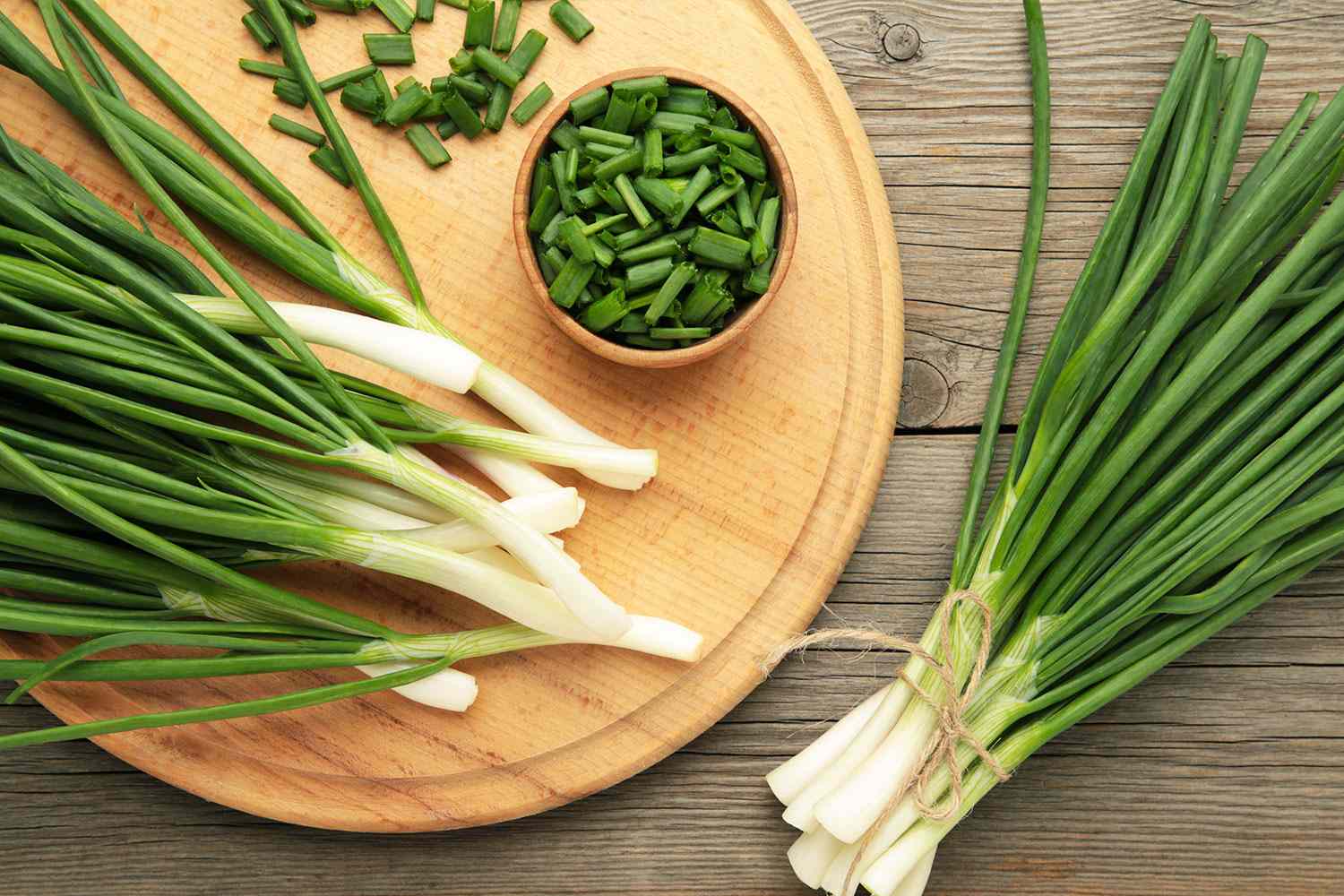
Known by various aliases such as scallions or, in some regions, spring onions, they all refer to the same young, mild-flavored onion. Green onions feature a small, often white (though sometimes reddish-purple depending on the variety) bulb at the bottom, which is entirely edible, tapering up into long, dark green leaves. Their texture is sturdier and more substantial than chives.
When it comes to flavor, green onions pack a more assertive punch than chives. Emma Hearst describes green onions as "magnified chives," indicating a stronger, more pungent onion flavor, though still considerably milder than a mature bulb onion. This robust flavor, combined with their crunchy texture, allows them to stand up to cooking and contribute significantly to a dish's overall profile. This distinction highlights a core difference often overlooked; for more on this fascinating classification, read Herb vs. Vegetable: Unpacking Chives and Green Onions.
Flavor Profile & Culinary Applications: When to Use Each
The core distinction between chives vs green onions truly shines in their culinary applications. Understanding their unique flavor characteristics dictates their optimal use in the kitchen.
Chives: The Elegant Finisher
Chives are primarily a finishing herb. Their delicate flavor and aroma tend to diminish significantly when subjected to heat, making them ideal for raw applications or added at the very last moment before serving. They are about adding a fresh, bright, oniony whisper rather than a bold statement.
- Best Uses:
- Garnishes: Finely minced chives are a classic garnish for soups, baked potatoes, omelets, and deviled eggs, providing a pop of color and fresh flavor.
- Salads: Toss into green salads, potato salads, or pasta salads for a subtle oniony zest without the harshness of raw onion.
- Creamy Dishes: Excellent folded into cream cheese, sour cream, yogurt dips, or compound butters to infuse a delicate onion-garlic note.
- Seafood & Poultry: Sprinkle over grilled fish, roasted chicken, or in chicken salad for an uplifting freshness.
- Flavor Enhancer: Chef Alexander uses them as a "great way to add depth and the brightness of a fresh herb," recommending them for tossing into chicken meat and seafood dishes.
- Presentation: Beyond fine chopping, consider chive batons (longer cuts) for an elegant presentation over hors d'oeuvres or main courses.
- Practical Tip: Always add chives at the very end of cooking, or use them as a raw topping, to preserve their delicate flavor and vibrant green color.
Green Onions: The Versatile Workhorse
Green onions, with their sturdier texture and more potent flavor, are far more versatile, capable of being used both raw and cooked. Their ability to hold up to heat makes them a foundational ingredient in many dishes.
- Best Uses:
- Stir-fries & Sautéing: The white and light green parts can be sautéed at the beginning of a dish to build a flavorful base, while the darker green tops can be added near the end or as a garnish.
- Soups & Stews: Incorporate into broths, noodle soups (like ramen or pho), or chili for a robust oniony depth.
- Asian Cuisine: A staple in many Asian dishes, from dumplings to noodle bowls, often providing a crucial aromatic and textural element.
- Grilling & Roasting: The entire green onion can be grilled or roasted alongside vegetables and meats, mellowing its sharpness and enhancing its sweetness.
- Raw Applications: While stronger than chives, finely sliced green onions (especially the green tops) add a wonderful crunch and zest to tacos, burritos, salads, and salsas.
- Dressings & Marinades: Blend into salad dressings or marinades for a fresher, less harsh onion flavor than a raw bulb onion.
- Practical Tip: Don't discard any part! The white bulbs are excellent for sautéing, offering a more intense flavor, while the green tops provide a milder, fresher onion note and a beautiful visual appeal.
Beyond Flavor: Nutritional Notes, Storage, and Practical Tips
While their flavor and usage are their primary distinguishing factors, there are other practical considerations when choosing between chives vs green onions.
Nutritional Snapshot
Both chives and green onions are low in calories and offer various vitamins and minerals. The reference context notes that chives are "higher in calcium, folate and vitamin A," but quickly adds that "the nutritional differences are not significant" given the small quantities typically consumed. In essence, neither should be considered a major source of these nutrients, but both contribute to a healthy diet through their fresh, aromatic qualities.
Storage for Freshness
Proper storage is key to maximizing the lifespan of these fresh ingredients:
- Chives: Being delicate, chives have a shorter shelf life, typically lasting about 2 days when stored properly. Wrap them in a slightly damp paper towel, place them in a resealable plastic bag, and store in the crisper drawer of your refrigerator.
- Green Onions: These are more robust and can remain fresh for up to a week. For best results, trim the root ends, place the green onions upright in a glass jar with about an inch of water, cover loosely with a plastic bag, and store in the refrigerator. Change the water every day or two. You can even regrow them from the white root ends!
Substitutions and Grow-Your-Own
While ideally you'd use the specified ingredient, sometimes substitutions are necessary. If a recipe calls for chives and you only have green onions, use only the very green, tender tops of the green onion, finely minced, and in a smaller quantity to avoid overpowering the dish. Conversely, if a recipe calls for green onions and you have chives, you'll need a much larger volume of chives to achieve a similar flavor impact, and be aware that the textural crunch will be absent.
Both chives and green onions are relatively easy to grow, even in small containers. Chives are perennials, returning year after year, while green onions can be regrown from their root ends in a glass of water, offering a continuous supply of fresh flavor right from your windowsill.
Conclusion
The debate of chives vs green onions isn't about which is "better," but rather which is "better suited" for a particular culinary purpose. Chives, the dainty herb, bring an elegant, subtle onion-garlic whisper and a touch of vibrant green as a finishing flourish. Green onions, the versatile young vegetable, offer a bolder, more pungent flavor and a satisfying crunch, capable of standing up to cooking or providing a fresh zest when raw. By understanding their distinct personalities – their unique appearances, flavors, and ideal applications – you can confidently select the perfect allium cousin for your next dish, transforming ordinary meals into culinary masterpieces with nuanced, harmonious flavor.
